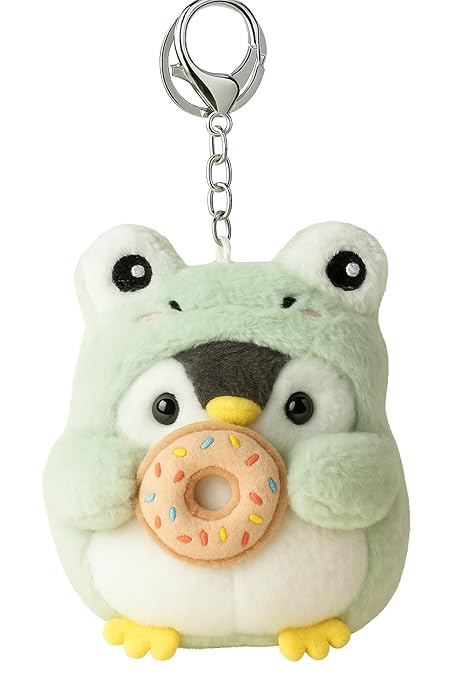
penguin plush toys
You find them on supermarket shelves, atop a kid’s bed, or perhaps even on your own desk: penguin stuffed animals. Their tuxedo feathers, wobbly gait, and inquisitive stare make them one of the most beloved stuffed animals on the planet. But ever wonder why? What is it about these cuddly replicas of flightless birds that has such a hold on us?
It just so happens, there’s an awful lot more to your penguin friend than fabric and stuffing. The history of the penguin stuffed animal is a surprising blend of biology, psychology, engineering, and even conservation. So, take your favorite cuddle buddy in hand, and let’s get into the fascinating science of why we can’t get enough of these furry friends.
Part 1: Why Penguins? The Animal That Inspired an Obsession
Before we can learn about the soft toy, we must learn about the actual animal. Penguins are special, and their natural characteristics make them ideal subjects to become a favorite toy.
1. The “Baby Schema”: Why We Think They’re So Cute
Scientists have a theory known as “Kind chen schema” or “baby schema.” These are the precise characteristics that make us exclaim, “Aww!” and activate our nurturing instincts. They are:
A big head in relation to the body
Large, forward-looking eyes
Soft, round cheeks
A waddling, clumsy gait
Ring any bells? Penguins are essentially walking, squawking clumps of baby schema! Their proportions are cute in a natural way to our human minds. An plush toy designer uses this natural cuteness and exaggerates it, widening the eyes even further, softening the body even more, and the waddle becoming set forever in a cute pose.
2. Dressed for Success: The Tuxedo Effect
Penguins seem as though they’re always ready for a formal bash. Their black and white appearance is dramatic, plain, and very recognizable. For a toy maker, this is a dream come true. The high contrast is also pleasing to the eye for even very young children. It’s also simple and effective to reproduce in fabric. You don’t have to have a tricky pattern; some black and white fleece can make an instantly recognizable friend.
3. Champions of the Harsh Cold
Penguins inhabit some of the most inhospitable places on the planet, such as Antarctica. In the face of blizzards, ice-cold temperatures, and deadly predators, they endure and flourish. They represent resilience, solidarity, and commitment (particularly as many penguin species are monogamous and both parents raise the chicks). When we snuggle a penguin stuffed animal, we’re not merely clutching a toy; we’re sharing a tale of survival and family in the face of adversity.
Part 2: From the Antarctic to the Assembly Line: The Birth of a Plush Toy
Developing a penguin plush toy isn’t magic—it’s a meticulous process of engineering, design, and safety testing.
Step 1: The Blueprint (Design)
It begins with an artist’s drawing. Will the penguin be realistic, such as an Emperor Penguin? Or will he or she be stylized and cartoon-like? The personality is determined by designers: happy, inquisitive, sleepy, or courageous. The technical drawings are made from all sides, defining the precise shapes for body, wings, beak, and feet.
Step 2: Material World (Selecting the Fabric)
How should your penguin feel? This is an important choice.
Short-pile plush: This is the soft, velvety texture employed on most quality toys. It’s smooth to the touch and ideal for replicating smooth feathers.
Long-pile plush: This is the shaggy, fluffy texture you may find on a penguin chick toy, making it appear super fuzzy and adorable.
Safety First: All materials are non-toxic and hypoallergenic. They are tested and certified as safe for children of all ages. The stuffing is most often a soft, springy polyester fiberfill.
Step 3: Pattern Making and Cutting
The pattern is transformed into a flat shape, such as a fabric puzzle. The patterns are cut out on massive rolls of material, and computer-controlled lasers or enormous cutting machines slice hundreds of the same penguin pieces at a time—body fronts, backs, wings, and bellies.
Step 4: Sewing and Stuffing
This is where the penguin comes together! Experienced laborers (or high-tech machines) stitch the components together inside-out, with a little window left open. The penguin is flipped right-side-out to reveal its soft hide. Next up, the stuffer. Machines fill the penguin with just the right amount of stuffing to make it cuddly but maintain its structure. Too little, and it’s floppy. Too much, and it’s a boulder.
Step 5: The Final Touches: Eyes and Personality
This is the most crucial step. The eyes are what provide the toy with a soul and personality.
Safety Eyes: The majority of contemporary plush toys employ “safety eyes.” They are plastic eyes that are pushed through the fabric and held on the inside by a washer. They are intended to survive extreme tugging, so it is almost impossible for a child to pull them out and choke on them.
Embroidered Eyes: For penguin toys for very young children (0-3 years), beaks and eyes are usually embroidered onto with thread. This removes any risk of choking completely and provides the penguin with a softer, more mellow look.
Lastly, the last details are included—a satin bow tie, a small fish plush in its wing, or possibly even a scarf. Every toy is checked, cleaned of any loose thread, and ready to be shipped out to you.
Part 3: More Than a Toy: The Hidden Power of a penguin plush toys
Your penguin plush isn’t just sitting around doing nothing. It’s a powerful force in our lives, all because of some really neat psychological concepts.
1. The Comfort of Companionship
We human beings are social animals. We don’t enjoy solitude. A plush toy can be a “social surrogate”—a friend substitute. For a child, a penguin stuffed animal can be a good friend who is always present to listen, does not judge, and is up for any adventure. This is particularly crucial at stressful times, such as beginning at a new school or sleeping in a dark room. The toy gives a sense of security and consistency.
2. An Instrument for Learning and Imagining
Penguin stuffed animals are great instructors penguin plush toys.
Biology: A children’s toy can make them curious about the actual animal. A kid who adores their Emperor Penguin stuffed animal may wish to learn about Antarctica, what penguins eat, and how they take care of their babies. This makes learning enjoyable and relevant to them.
Empathy and Role-Play: When a child takes care of a toy—feeds it, puts it to bed, keeps it warm—they are role-playing empathy and caring behaviors. They are learning how to take care of another living thing.
Storytelling: A soft toy is a character ready for a narrative. Is the penguin an explorer? A detective? A chef? It becomes a creative stimulus, stimulating children to develop language and storytelling abilities penguin plush toys.
3. For All Ages: Not Just for Kids
It is a myth that plush toys are only for kids. “Plushies” are extremely popular among teenagers and adults. They are a comfort object of a sort that can even mitigate anxiety and stress penguin plush toys.
The mere act of hugging something soft can set off the release of oxytocin (the “cuddle hormone”) in our brains, which makes us feel happier and more relaxed. In a world that’s sometimes hectic and overwhelming, a penguin on your desk can be a small, cuddly anchor of calm.
Part 4: Be a penguin plush toys: Your Toy and the Big World
This is where your plush toy’s story intersects with the grand narrative. The actual penguins who drive our toys to exist are in big trouble.
Threats in the Wild:
Climate Change: Warming seas are causing the sea ice that so many penguins rely on for breeding, feeding, and resting to melt.
Overfishing: Industrial fishing is decreasing the availability of krill and fish on which penguins feed.
Pollution: Oil spills are lethal to penguins, stripping the waterproofing from their feathers. Plastic pollution in the oceans can also be ingested by mistake.
How Your Plush Toy Can Help
Several companies manufacturing penguin plush toys of animals are actively engaged in conservation programs. Two well-known examples are:
The World Wildlife Fund (WWF): You pay for a plush penguin from WWF and some of the money directly goes towards their international efforts to safeguard species and habitats, including those of penguins.
Vermont Teddy Bear Company (and others): They frequently design special “cause-related” cuddly toys, where each sale contributes a donation to a particular charity penguin plush toys.
What You Can Do:
Make Conscious Choices: When purchasing a new penguin plush toys cuddly toy, seek out companies that sponsor conservation charities.
Get Educated: Let your toy spark your imagination. Research the various penguin species (there are 18!) and how they are threatened. Websites of groups such as WWF, penguin plush toys International, and the Antarctic and Southern Ocean Coalition are wonderful sources.
Share the Word: Teach what you know to your friends and family. Your adorable stuffed animal can be a conversation starter about vital issues such as climate change and conservation of our oceans penguin plush toys.
Conclusion: A Small Toy with a Big Story penguin plush toys
Next time you lay eyes on a penguin plush toys, you’ll notice more than stitching and fluff. You’ll notice a work of art born out of inspiration for one of nature’s most tenacious and cute creatures. You’ll appreciate the meticulous engineering that renders it safe and cuddle-worthy. You’ll acknowledge its strength as a friend, educator, and source of comfort penguin plush toys.
And most importantly, you’ll remember that it represents a real animal in a fragile world that needs our help. Your penguin plush is a small, soft ambassador from the icy shores of Antarctica, reminding us of the wonder of nature and our responsibility to protect it. That’s a pretty big job for such a little friend penguin plush toys.
Part 5: From Obscurity to Obsession: The Pop Culture March of the penguin plush toys
It wasn’t always a certainty that penguins would be stuffed animal stars. Their ascent to the pinnacle of the plush toy universe is an interesting story of marketing, media, and the influence of a great character penguin plush toys.
The Silver Screen Boost:
Although penguins have long been fascinating creatures in nature documentaries, they became incredibly popular due to Hollywood blockbusters and animated films. Consider it penguin plush toys:
1992’s Batman Returns: Although darker, this movie brought a zany, sinister version of The Penguin (Danny DeVito) to the new generation, keeping the bird relevant penguin plush toys.
The Mid-2000s Penguin Boom: This was the big one. Two high-profile movies released within months of each other in 2005 solidified the penguin’s position on pop culture’s timeline penguin plush toys:
March of the Penguins: This beautiful, Oscar-winning documentary was a worldwide phenomenon. It did not merely depict penguins; it related a moving, sentimental tale of their hard work, sacrifice, and love. It made everyone behold them as heroic parents and survivors, generating a huge tidal wave of empathy—and a huge market for cute copies penguin plush toys.
Madagascar: This cartoon blockbuster brought us Skipper and his faithful commando crew, Kowalski, Rico, and Private. They were hard, hilarious, and endlessly quotable. Overnight, penguins weren’t merely noble; they were hip penguin plush toys.
These movies, for both adults and children, caused a storm. They brought a merchandising tidal wave, with plush animals leading the pack. Every child desired a set of tactical penguin units or a puffy copy of the heroic parents in the documentarypenguin plush toys.
The Collector’s Cave: More Than Just One penguin plush toys
For most, a single penguin plush is not enough. It usually becomes a colony. Penguin plush collecting is a hobby in itself, fueled by a few specific things penguin plush toys:
The Hunt’s Thrill: Firms like Jellycat, Ty (Beanie Babies), and Squishmallows put out dozens of one-of-a-kind designs. Hunters look for limited releases, certain species (such as a wild eyebrow-feathered Rockhopper penguin that’s hard to find), or holiday variants (imagine a penguin in a teeny Christmas sweater penguin plush toys).
A Range of Styles: The options are limitless. Hyper-realistic plushies with realistic markings a la your favorite brend? Or cartoon-style penguins in pastel hues from anime-inspired companies such as San-X? There’s something for every occasion penguin plush toys.
Community and Connection: The internet has made it possible for collectors to locate one another. Instagram, Reddit, and Facebook social media groups are abuzz with individuals boasting about their latest acquisitions, swapping duplicates, and connecting over their passion for these floppy-footed companions. It’s a hobby that produces real-life friendships penguin plush toys.
This element gives the soft toy a step beyond mere comfort object and makes it part of a larger set, a souvenir of a beloved film, or a symbol of membership in a friendly community. It’s an assertion of uniqueness and group connection, all in the universal idiom of “Aww, look how adorable this is penguin plush toys!”
Conclusion: A penguin plush toys with a Big Story
(Original Conclusion is placed here)
So, the next time you catch a glimpse of a penguin plush toy. [rest of the original conclusion] penguin plush toys.


Leave A Comment