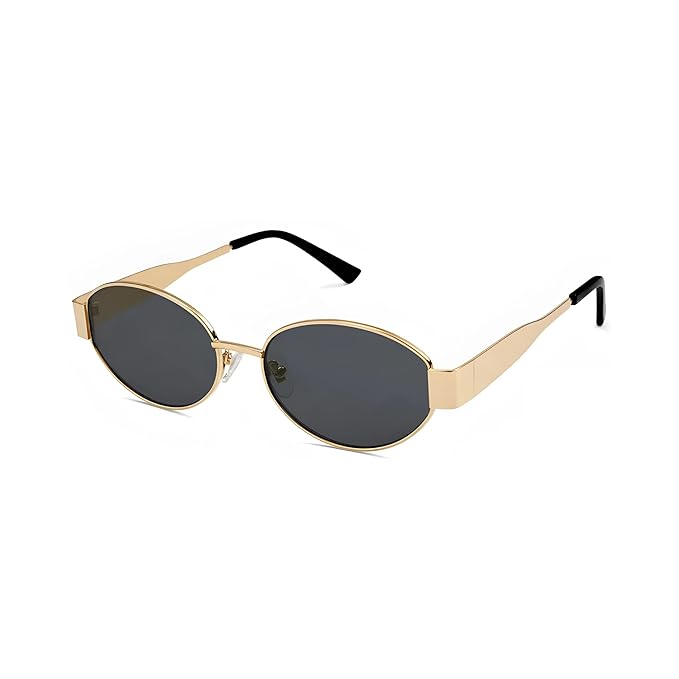
polarised sun glasses
They’re on everybody’s face. On fishermen pulling in a whopper, on motorists driving along the highway, on your buddies at the beach. Polarized sunglasses are an essential accessory. Yet have you ever taken a moment to consider why they’re so cool? Why that angler fishing just loves them, when a pilot would never use them polarised sun glasses?
As it happens, there’s a secret world of light and science going on before your very eyes. polarised sun glasses are not darkened plastic; they’re an optical engineering achievement that will engage with light in a very precise manner polarised sun glasses. It’s not simply about appearing cool (as much as they do). It’s about perceiving the world more clearly, more safely, and more comfortably.
Let’s take a look at the incredible science behind these incredible lenses and see why they may be the handiest accessory in your summer kit.
Part 1: The Issue with “Regular” Light polarised sun glasses
First, we need to know about the problem. And the issue is all about light itself.
Consider light from the sun or a lamp. It comes to us as a wave. But unlike an ocean wave, which goes up and down but does not move side to side polarised sun glasses, a light wave vibrates side to side—up and down, left and right, and all directions in between. Visualize a jump rope. If you shake one end around in all directions, the waves going down the rope will be a crazy jumble. That is what “regular,” unpolarized light is like.
This messy light is okay the vast majority of the time. It’s what lets us perceive the world in all its vibrant, brightly lit splendor. But this same mess causes one particular, aggravating problem: glare.
Part 2: The Origin of an Annoying Glare polarised sun glasses
So why does this messy light become the blinding glare that makes you squint on a sunny day polarised sun glasses?
It all occurs when light reflects off a non-metallic, smooth surface such as water, the hood of a vehicle, a glass window, or even a smooth road. Unpolarized light hitting these surfaces does something remarkable. The surface behaves like a filter polarised sun glasses.
It absorbs all of the light vibrating in all directions except for one: the horizontal direction. The reflected light is now primarily vibrating horizontally. This structured, horizontal light is what we refer to as glare polarised sun glasses.
Light reflected off of a flat surface is horizontally polarized, producing harsh glare.
This glare is not just frustrating. It’s a sheet of blinding white light that polarised sun glasses:
Washes out color: That gorgeous blue water? It appears like a piece of white. The fine details on the road? Gone.
Causes eye strain: Your pupils become smaller (constrict) to admit less light, and you squint, exhausting the eye muscles. This may lead to headaches.
Reduces visibility: It forms a hazardous horizontal “wall” of glare that can conceal dangers. To a driver, it may conceal a pothole or pedestrian. To a fisherman, it totally obliterates the view into the water.
Our brains and eyes have no natural method of excluding this horizontal glare. It simply smacks into our retinas and overpowers the rest. That’s where our savior, the polarized lens, enters the picture.
Part 3: The Polarized Lens Superpower – A Little Fence for Light polarised sun glasses
If glare is horizontally polarized light, the answer is easy: construct a filter that prevents horizontal light waves and allows only vertical light waves to pass through.
That is what a polarized lens is. Between the two pieces of glass in the lens is a chemical film composed of molecules that are arranged in parallel rows, similar to a very small picket fence or window blind. This “fence” is referred to as the polarizing filter.
The polarizing filter works as a fence, permitting only vertical light waves to pass through.
Here’s how it works:
Unpolarized light from the sun and sky travels to the lens in all directions.
The horizontal light waves (the ones that cause the harmful glare) are filtered out. They can’t pass through the “vertical slats” of the fence.
Only the vertical light waves get to pass through the lens and reach your eye.
The outcome? The debilitating, white glare is significantly minimized or eliminated altogether. What you’re left with is the clean, beneficial, uncorrupted light that enables you to perceive true color and crisp detail.
Part 4: The “Wow!” Effect: Seeing the World Differently polarised sun glasses
Putting on a pair of polarised sun glasses for the first time is a genuine “wow!” moment. It’s like a superpower. Here’s what you’ll notice:
On the Water: This is where the effect is strongest. Surface glare on a lake, river, or ocean simply vanishes. Rather than a shiny, white surface, you can suddenly look right through the water. You can see rocks on the bottom, seaweed forests, and—most important to fishermen—fish swimming beneath the surface. It converts an impenetrable sheet of light into a window.
While Driving: Road glare, particularly on wet roads following a rain, is greatly minimized. The car in front of you will no longer have its hood so intensely bright. This minimizes eye strain on long drives and enhances safety through improved contrast and visibility.
On Snow: Snow is made of countless tiny, flat ice crystals that reflect light just like water. On a sunny day on the slopes, the glare can cause “snow blindness.” Polarized lenses cut through this glare, making it easier to see the contours of the snow and any hidden bumps or ice patches.
Everyday Life: Colors appear richer and more saturated because the washed-out glare is gone. You’ll see more contrast and detail in everything from leaves on trees to the architecture of buildings.
Part 5: Not Just for Fun: The Serious Benefits polarised sun glasses
Beyond the cool factor, polarized lenses offer serious advantages for your health and safety.
1. Reduced Eye Strain and Fatigue:
Your eyes are muscles, and squinting every day is an exercise. By removing the necessity to constantly squint against glare, polarized lenses enable your eyes to rest. This can avert the headaches and fatigue that usually ensue after spending an entire day outdoors.
2. Improved Visual Clarity and Safety:
This is the largest safety advantage. By lifting the veil of glare, you are able to perceive potential dangers much more easily.
Driving: Observe the road surface, notice pedestrians earlier, and notice wet spots or oil slicks.
Boating/Kayaking: Notice underwater rocks, logs, or sandbars obscured by surface glare.
Fishing: Notice the fish and what they’re hiding behind.
Cycling: Notice potholes and road debris more easily.
3. Protection from Harmful UV Rays:
It’s important to keep in mind: Polarization and UV protection are two distinct phenomena.
Polarization is blocking glare.
UV Protection is all about shielding the sun’s invisible ultraviolet rays that may burn your eyes, lead to cataracts, and cause other long-term harm.
Always ensure your sunglasses—whether polarized or not—provide 100% UVA and UVB protection (or are UV400, which filters out all light up to 400 nanometers). The better news is that most polarized sunglasses of good quality have this all-important UV protection.
Part 6: The Bizarre Side Effects: When Not to Wear Them
Polarized lenses are great, but their superhero strength is sometimes a weak point. Since they block light reflected horizontally, they can conflict with the way we view some digital displays.
You may find:
LCD Displays: The screens in your dashboard in your car, in some ATM displays, gas pump readouts, and even your mobile phone may appear pale, totally black, or display a peculiar rainbow effect when you turn your head. The reason is that these displays also produce polarized light. If the direction of their polarization is at odds with your sunglasses, the picture gets masked.
Car Windshields: Some car windshields have a laminated layer in the middle to prevent shattering. This layer can create a subtle, sometimes weird, pattern (like a faint spiderweb) when viewed through polarized lenses.
For Pilots: This is the most important example. Pilots simply must be able to view the data on their instrument panels unmistakably. They must also be able to view the reflections from other planes, which will show up as flashes of light. Polarized lenses might remove these vital visual clues, which is why many pilots opt for non-polarized, tinted lenses instead.
The Simple Test: How to Know if Your Sunglasses Are Polarized
Don’t believe the label? There’s a simple way to check them out. Get an LCD screen (such as your phone). Wear the sunglasses and glance at the screen. Now, gradually tilt your head over to the left by roughly 60 degrees. If the lenses are polarized, the screen will seem to get much darker or possibly even totally black. If nothing changes, they’re not polarized.
Part 7: Polarized vs. Mirrored vs. Tinted: What’s the Difference?
This is a source of confusion for many people. Let’s dispel it.
Tinted Lenses: These are actually colored lenses (gray, brown, green, etc.) that cut down on the overall amount of light getting into your eyes. They are similar to dimmer switches. They assist with brightness but don’t do anything special to eliminate glare.
Mirrored Lenses: These feature a thin reflective coating placed on the outside of the lens. Picture them as one-way mirrors. They reflect some of the light before it even hits the lens, making them excellent for extremely bright situations such as high-altitude skiing. Still, they don’t block glare selectively like a polarized filter does. A lens may be mirrored and polarized, thus having the best of both worlds.
Polarized Lenses: These have the magic internal filter that rejects horizontal glare. They can be tinted (and typically are) and can also be mirror-coated. Polarization is all about managing the quality of light, not merely the quantity.
Part 8: Finding Your Ideal Pair
Ready to buy a pair? Here’s how to shop:
100% UV Protection (UV400): This one’s a must. Protect your peepers first.
Polarization: Look on the label or ask the salesperson. Try the LCD test if in doubt.
Lens Color Does Count: Various tints perform differently.
Gray: Gives uncorrected color perception and is ideal for general, everyday use.
Brown/Amber: Increases contrast and depth perception. Good for driving, fishing, and most sports due to its ability to make objects pop against backgrounds polarised sun glasses.
Green: Is good for contrast and also gives accurate color vision. Favorite among golfers polarised sun glasses.
Yellow/Rose: These are great for low-light or cloudy situations. They block the blue light and make things brighter, but not dark enough for sunny days.
Lens Material:
Glass: Provides the greatest optical clarity and is scratch-resistant, but heavier and can break.
Polycarbonate: Light and very impact-resistant (good for sports and safety), but scratches.
CR-39 Plastic: Nice compromise between optical quality, weight, and price polarised sun glasses.
Fit and Coverage: The sunglasses must fit comfortably across your nose and ears without causing discomfort of pinching. Wraparounds are excellent since they prevent light from entering through the sides polarised sun glasses.
Conclusion: More Than Meets the Eye
Polarized sunglasses are an exemplary demonstration of how a mere application of science can greatly enhance our daily existence. They are not a mode of fashion; they are a device that enhances vision, safety, and comfort polarised sun glasses.
By seeing the dance of light waves and the ingenious “picket fence” within the lens, you can appreciate the real brilliance behind this technology polarised sun glasses.
The next time you wear a pair, you’ll be aware that you’re not merely shading your eyes—you’re working to block out chaos and bring a clearer, sharper, and more lovely world into view. So, don a pair, get outside, and observe the difference for yourself.
Part 9: Caring for Your Super-Lenses & The Future of polarised sun glasses You’ve just bought an excellent pair of polarised sun glasses. Now, how do you ensure they remain in good shape? And what’s new in the field of polarization technology? Let’s find out.
Caring for Your polarised sun glasses
The polarizing filter is a thin film between two layers of lens material. Although today’s lenses are made to last, abusing them can cause scratches, delamination (where the layers begin to peel apart), and a destroyed pair of shades. With these easy tips, they will stay in superhero condition polarised sun glasses:
1. The Case is Your Best Friend: The most valuable thing you can do is keep your sunglasses in a hard protective case when you’re not using them. Flinging them loose into a backpack or purse, or placing them on the car dashboard, is a guaranteed way to get them scratched, sat upon, or broken. A hard case offers a fortress for your lenses polarised sun glasses.
2. Wash Them Properly: Never clean your lenses using your shirt tail, paper towels, or napkins. These are abrasive and will scratch your lenses with tiny scratches after a long period, impairing your vision polarised sun glasses.
Rinse Before Wiping: If they are dusty or sandy, first rinse them with warm water. This removes gritty contaminants that may scratch the lens while wiping polarised sun glasses.
Use a Microfiber Cloth: Microfiber cloths are made especially for the delicate surfaces of glasses and camera lenses to clean them without scratching them polarised sun glasses.
Use Lens Cleaner: For more obstinate smudges, apply a spray cleaner specifically for eyeglasses. Never use household glass cleaners because most contain chemicals like ammonia which harm the lens coatings and the polarizing film itself polarised sun glasses.
3. Keep Them Off Your Head: Pushing your sunglasses up on your head may be the hip thing to do, but it causes the earpieces and the lenses to get clogged with hair oils and skin oils. It also wears out the arms eventually, causing them to loosen up polarised sun glasses.
4. Never Leave Them in a Hot Car: Don’t keep your sunglasses in a parked car in the sun for an extended time. The heat will distort the frame, melt the adhesive that secures the lenses in place, and even crack the polarizing filter polarised sun glasses.
The Future is Clear: What’s Next for polarised sun glasses?
The tech behind polarized sunglasses isn’t static. Scientists and manufacturers are continually working on ways to improve them further. Take a look at what’s in store polarised sun glasses:
Photochromic polarised sun glasses Lenses: You may be familiar with these as “transition lenses.” They darken in sunlight and become clear indoors. Now, you can obtain lenses that do both—they polarize light and change their darkness automatically. This is ideal for a person who switches between indoors and outdoors a lot, such as a sailor or a golfer, without having to constantly change glasses.
Polarization for Digital Life: As we said, polarization has the disadvantage that it can make LCD screens difficult to view. The future generation of lenses is addressing this challenge head-on polarised sun glasses.
New designs are making “screen-friendly” polarized lenses that continue to block horizontal glare from water and roads but are designed to pass through the particular type of light from phone and car dashboard displays polarised sun glasses.
This is to say that you would be able to enjoy all the advantage of polarization without the pesky blackout effect on your equipment.
Advanced Lens Materials: There is ongoing research into new, ultra-thin, and near-impossible-to-scratch materials. polarised sun glasses lenses as thin as a credit card but virtually as hard as a diamond coating would make sunglasses more comfortable and nearly indestructible for high-intensity sports polarised sun glasses.
Polarised sun glasses have evolved a long way from being a merely tinted add-on. They are an ingenious blend of physics, material science, and functional design. Knowing how they function and taking care of them, you can ensure you’re always viewing the world in the most comfortable and clearest manner possible. And with new technologies on the horizon, the outlook is only going to improve.






Leave A Comment